

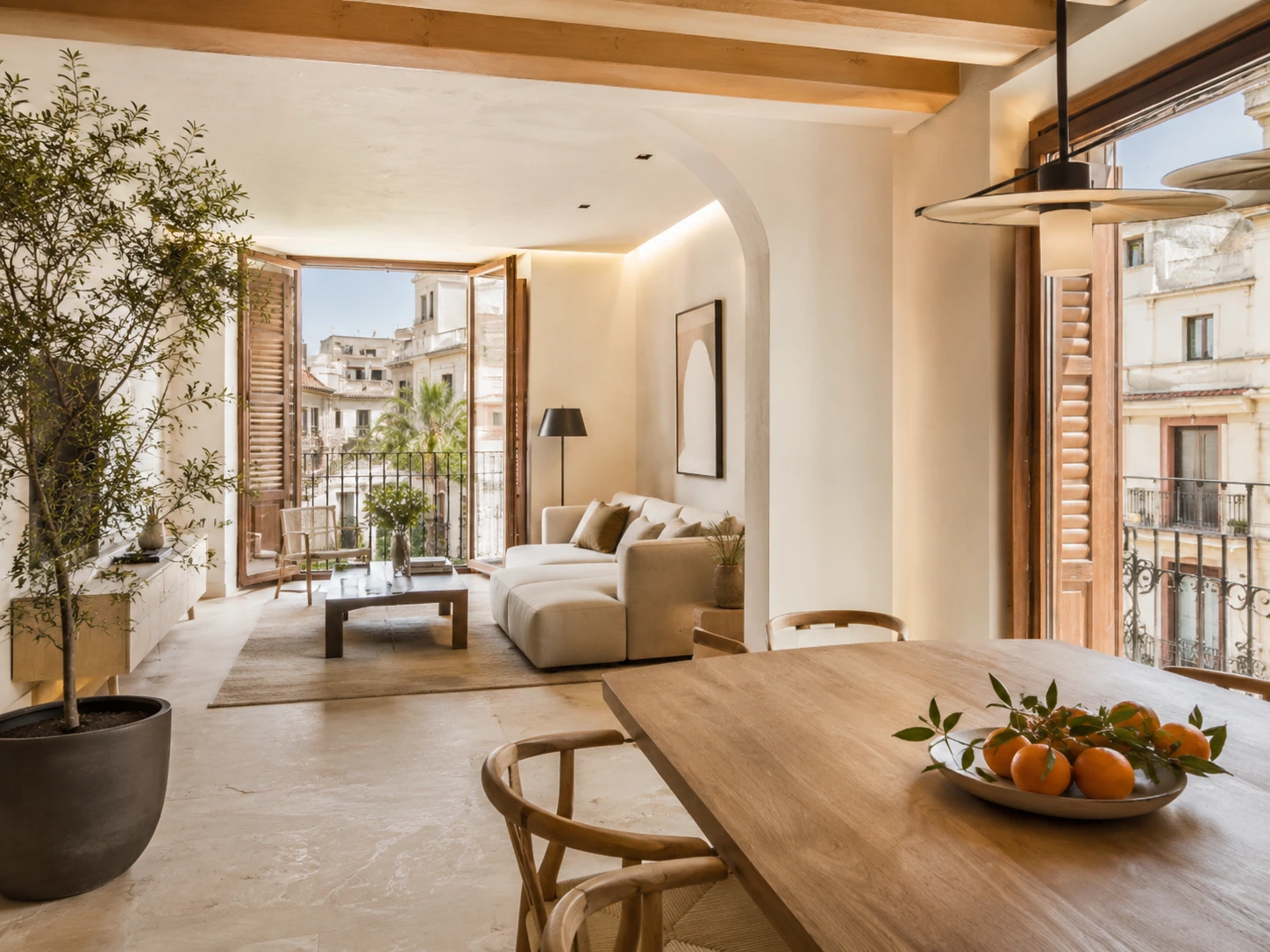
A home renovation in Valencia is not only a design decision. It is also a planning exercise that connects the condition of the property, the type of work, the building rules, the budget, and the way the home will be used every day. Before choosing finishes or furniture, property owners should understand what kind of renovation they are actually starting: cosmetic updates, a distribution change, kitchen or bathroom renovation, installation upgrades, or a deeper transformation of the whole home.
The first step is to define the scope clearly. A light renovation may include painting, replacing finishes, improving lighting, or refreshing cabinetry. A more involved renovation may change room layouts, bathrooms, kitchens, flooring, doors, windows, and technical systems. The bigger the scope, the more important it becomes to prepare drawings, a written brief, a materials schedule, and a realistic order of decisions. This is where a structured renovation process helps, because it reduces confusion before construction begins.
Start with the existing property
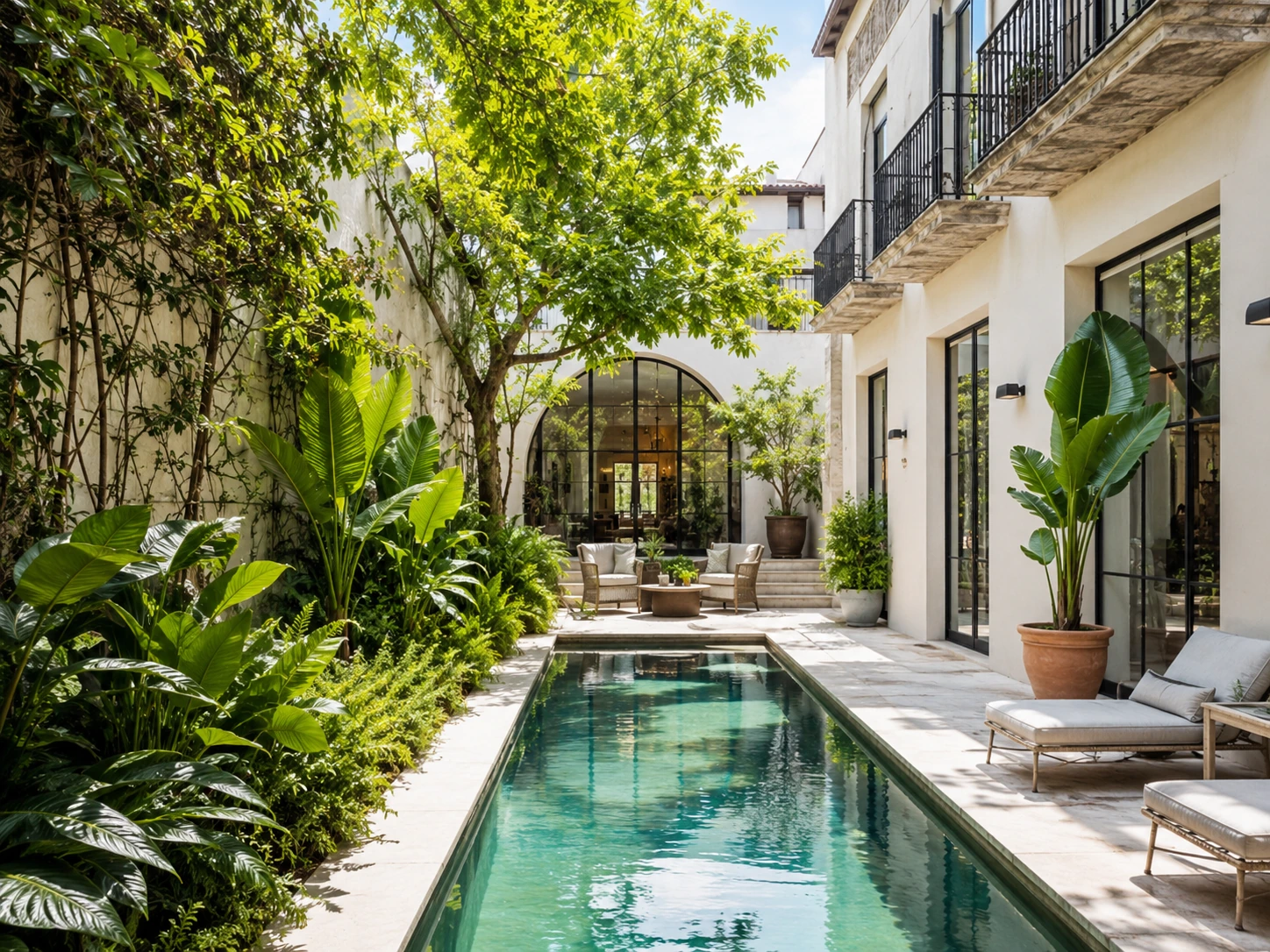
Every property has limits and opportunities. Older apartments may have beautiful proportions, original details, or high ceilings, but they may also need careful attention to electrical systems, plumbing routes, ventilation, acoustic comfort, and moisture control. Villas may offer more flexibility, but they can involve larger areas, exterior connections, terraces, façades, pool areas, and more complex coordination. Before deciding on a style, it is better to review what can stay, what should be improved, and what must be replaced.
In Valencia, renovation planning should also consider whether the home sits in a protected building, a protected urban setting, a coastal context, or a community building with shared rules. Official municipal procedures can depend on the type of work and the building status. The Ayuntamiento de València explains that certain reform works can be processed through a declaración responsable, and that these procedures must be submitted before the work starts. For protected buildings, the city also separates minor, non-heritage-impact interventions from works that require more formal licensing. Because rules can change and each property is different, owners should confirm the correct procedure before starting.
Design decisions should follow the brief
Good renovation design is not just about choosing a beautiful material palette. The decisions should answer practical questions: how does the home receive daylight, where should storage be hidden, how many people use the kitchen at the same time, which bathroom needs more privacy, and how should the rooms connect? This is especially important in homes that will be used as a family residence, a second home, or a property for seasonal stays.
Materials should also be selected for use, maintenance, and climate. Natural stone, porcelain, wood, limewash-style finishes, microcement-style surfaces, and custom cabinetry can all work well, but each choice has technical and maintenance consequences. The best material is not always the most expensive one; it is the one that fits the room, the budget, the installation conditions, and the long-term way the home will be used.
Budget is more than construction cost
Property owners often think of renovation cost as the contractor quote, but the real budget should include design development, technical documentation where needed, demolition, construction, materials, fixtures, lighting, cabinetry, waste management, taxes or municipal fees when applicable, contingency, delivery, and final installation. The city’s own documentation for certain works refers to items such as a detailed budget, technical memory, plans, safety and health documentation, and waste management studies depending on the case. This is why a clear budget structure is more useful than a rough total number at the beginning.
A well-planned renovation gives the owner better control. It does not remove every surprise, because existing buildings can reveal hidden issues once work begins, but it makes decisions easier and creates a shared reference between the owner, designer, technical team, and contractors. If you are preparing a project, start with the desired outcome, then build the scope, timeline, documentation, and budget around it. You can explore YT Studio’s renovation services or request a quote when you are ready to discuss a property in more detail.
Planning a renovation?
Share your property details, preferred scope, and timing so the first conversation can be focused and useful.
Request Quote